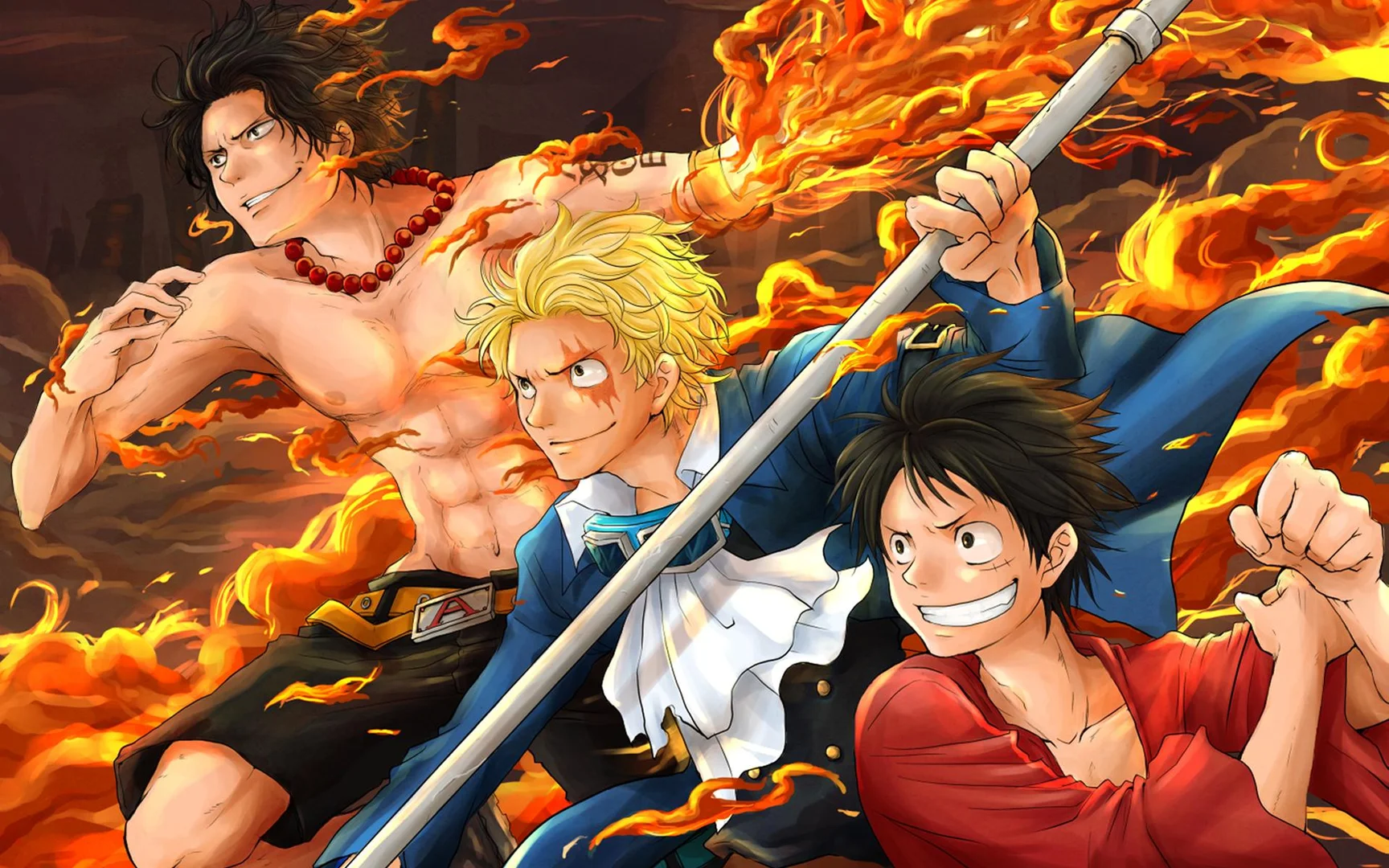
Beyond the Sun God: Why Luffy's New Form Threatens His Humanity

When Monkey D. Luffy first laughed under the full moon of Wano, his awakening was celebrated as the ultimate triumph of joy over tyranny. The drums of...
When Monkey D. Luffy first laughed under the full moon of Wano, his awakening was celebrated as the ultimate triumph of joy over tyranny. The drums of liberation beat to a rhythm of unadulterated freedom, transforming combat into a slapstick canvas where pain yielded to laughter. Yet Chapter 1198 strips away that celebratory veneer, confronting us with an unsettling narrative reality: absolute liberation carries a terrifying existential cost.
When Luffy undergoes his monstrous simian transformation on Elbaph, the playful elasticity of the Sun God gives way to an ancient, predatory instinct. Adorned with the spiral texture of the original fruit, this form does not feel like a boy wielding a power—it feels like a primordial force taking possession of its vessel.
The Mythological Shadow: Chaos Beyond the Sun God
To understand what transpired on the Island of Monsters, one must look past standard shonen power escalations and examine the mythological blueprints Eiichiro Oda draws upon. While Gear 5 leaned heavily into cartoon physics and rubber hose animation, this latest evolution taps into the raw, unbridled archetype of the Great Sage Equal to Heaven—Sun Wukong—and the immense destructive divinity of Hanuman.
In traditional folklore, these mythological figures are not domesticated heroes; they are volatile cosmic disruptors capable of throwing heaven into chaos before achieving spiritual enlightenment. When Luffy inflated the Rain God Zaza until her nightmare-fueled body ruptured, there was no buoyant grin or playful eye-popping gag. There was only clinical, devastating efficacy.
"The line between wielding a myth and being consumed by it has always been the dark secret of Zoan awakenings."
By evoking Sun Wukong's primal origins, the narrative shifts the stakes from physical endurance to psychological survival. Luffy is no longer simply pushing his rubber body past its gear limits; he is wrestling for control against an ancient will that predates the Void Century.
The Zoan Warning: When the Fruit Awakens Its Predator
The danger currently facing Luffy is not unprecedented; Oda subtly laid the conceptual groundwork centuries of chapters ago in Impel Down. Crocodile warned that awakened Zoans risk having their original human personalities permanently eclipsed by the innate nature of the beast. The mindless Minotaur and Sphinx were cautionary tales of users whose egos were dissolved by the instincts of their fruits.
Scopper Gaban's grave observation in Chapter 1198 elevates that forgotten mechanic to catastrophic proportions. For eight hundred years, the World Government feared the Hito Hito no Mi, Model: Nika precisely because it possessed a mind of its own. If a fruit can evade capture for nearly a millennium, what happens when its awakened ego decides that the boy from Foosha Village is merely an inconvenient host?
Luffy's miraculous survival across hundreds of battles has always stemmed from his unyielding selfhood—his refusal to bow, compromise, or surrender his identity. The prospect of his very consciousness being subordinated by the will of an ancient god is far more terrifying than any wound Kaido or Akainu could ever inflict.
Nefertari Lili's Box and the Elbaph Reckoning
This internal crisis unfolds against a geopolitical cataclysm. While Luffy battles the creeping dominance of his fruit, the revelation surrounding Biblo and Nefertari D. Lili's ancient relic reframes the battle on Elbaph. The ancient technology Imu seeks is intertwined with the lineage of the Void Century, suggesting that the current clash of awakenings is not an isolated skirmish, but the resumption of an unfinished war fought eight hundred years ago.
Luffy did not choose to become a messiah; he sought only to be the freest man on the seas. Yet the forces converging on Elbaph—from Imu's seraphic divinity to the forgotten mechanisms of the ancient world—threaten to reduce him to a predetermined weapon of prophecy.
The Price of Absolute Freedom
As the Straw Hats navigate the perils of the Final Saga, the central philosophical dilemma of One Piece undergoes a vital maturation. True freedom cannot exist without autonomy. If Luffy must surrender his mind to unleash the strength required to defeat the gods of Mary Geoise, then victory becomes indistinguishable from defeat.
The defining test of the Pirate King will not be whether he can overpower Imu's celestial blade, but whether he can summon the humanity to tame the wild god beating within his own chest.